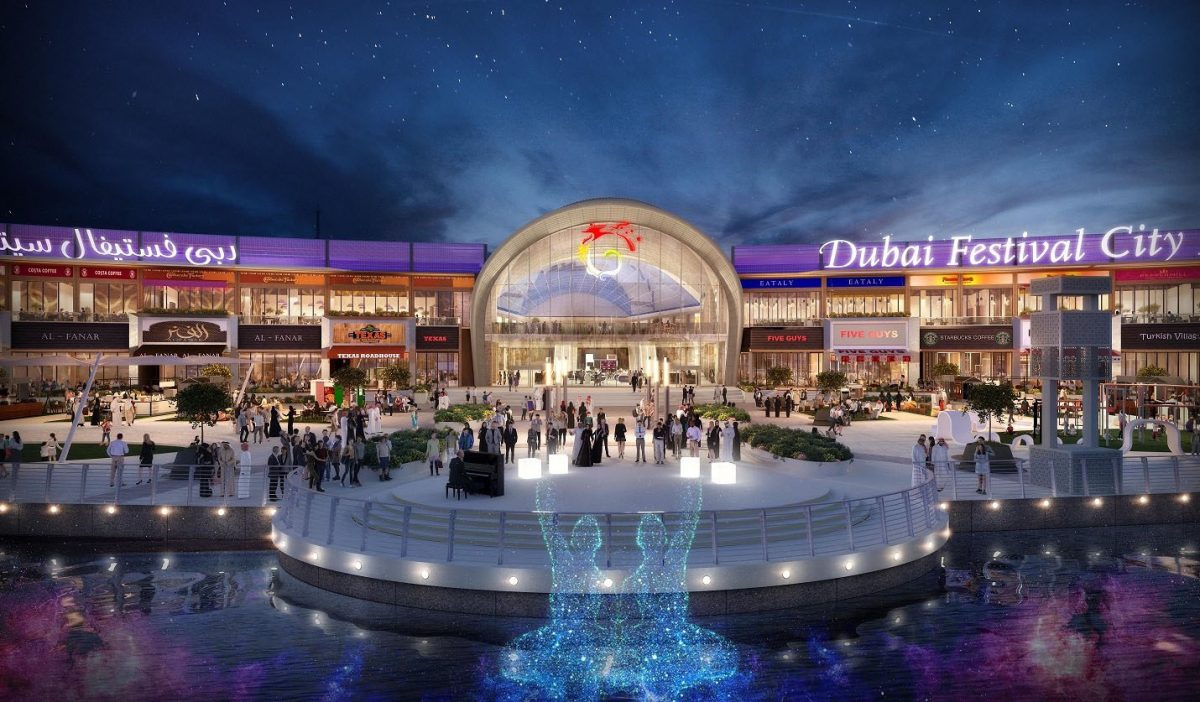
 Parking Ramp & Structural Repair
Dubai Festival City Mall
Parking ramp concrete repair, anti-carbonation, and traffic-grade waterproofing across multiple decks.
Al Futtaim EngineeringEngineered restoration for ageing structures — crack injection, spall repair, FRP strengthening, and cathodic protection delivered to specification.
Concrete is durable, but it is not permanent. In the UAE's coastal climate, chloride ingress, carbonation, thermal cycling, and reinforcement corrosion gradually erode the structural integrity of parking decks, facades, podium slabs, basements, and marine works. Left untreated, deterioration accelerates non-linearly — what begins as hairline cracking and surface staining becomes spalling concrete, exposed reinforcement, and ultimately structural failure. Early intervention is dramatically cheaper than late intervention, and the right repair system applied at the right time can extend service life by decades.
Hill Technical Services delivers structural and concrete repair as an engineered discipline — not a cosmetic exercise. Every project starts with a proper diagnosis: visual inspection, non-destructive testing, half-cell potential surveys, cover meter scans, and core testing where required. The repair specification targets the actual deterioration mechanism, with materials and methods selected on the basis of structural demand, exposure conditions, and required service life. Our crews are trained in the specialist trades — concrete cutting and breaking out, anti-corrosion reinforcement treatment, polymer-modified mortar application, FRP wrapping, anode installation, and surface finishing — and our quality control captures every step in inspection records that withstand scrutiny by consultants and structural engineers.
This service runs alongside our waterproofing, facade painting, and civil works capabilities. Many concrete repair projects involve multiple disciplines — facade refurbishment combines patch repair, anti-carbonation coating, and elastomeric finish; parking decks combine spall repair, anti-corrosion treatment, and traffic-grade waterproofing membrane. Hill delivers all of these under a single integrated contract, giving you one accountable team and one consistent quality standard from diagnosis through to handover.
Pressure injection of structural epoxy or hydrophilic polyurethane resins to restore monolithic behaviour or seal water-bearing cracks. Selection depends on whether the crack is dry, weeping, or actively moving.
Removal of delaminated and chloride-contaminated concrete, anti-corrosion treatment of exposed reinforcement, and reinstatement using polymer-modified or microconcrete mortars matched to the structural demand and exposure.
Externally bonded Fibre Reinforced Polymer systems for flexural, shear, and confinement strengthening — ideal where headroom, dead load, or aesthetic constraints rule out concrete jacketing.
Adding new reinforced concrete to existing columns, beams, or slabs to increase load capacity, restore lost section, or add ductility for seismic upgrade. Includes drilled and bonded dowels for composite action.
Electrochemical halting of reinforcement corrosion in chloride-contaminated structures. We install both galvanic and impressed current systems with monitoring instrumentation for long-term performance verification.
Surface-applied protective systems that arrest the advance of carbonation and chloride ingress — extending service life of structurally sound but vulnerable concrete without invasive intervention.
Where corrosion has reduced rebar section beyond acceptable limits, we expose, clean, and supplement reinforcement — restoring design capacity before reinstating the concrete cover.
Concrete preparation as the foundation of every successful coating, membrane, or topping installation — diamond grinding, captive shot blasting, and hydro-demolition tailored to the downstream system.
Visual survey, hammer sounding, half-cell potential mapping, cover-meter scanning, and core sampling where required. The aim is a correct diagnosis of the actual deterioration mechanism — corrosion, carbonation, ASR, or mechanical damage.
Working with structural engineers, we develop a repair specification matching the deterioration mechanism, structural demand, exposure conditions, and required service life. The right system is far cheaper than the wrong system applied repeatedly.
Method statements, material certificates, and quality hold points govern every activity. Reinforcement exposure, cleaning, mortar application, and curing are inspected against acceptance criteria — non-conformances are caught and corrected before they propagate.
Inspection records, photo documentation, and as-built drawings are compiled and handed over. Where cathodic protection is installed, monitoring infrastructure allows ongoing verification of performance over the life of the system.
Parking Ramp & Structural Repair
Parking ramp concrete repair, anti-carbonation, and traffic-grade waterproofing across multiple decks.
Al Futtaim Engineering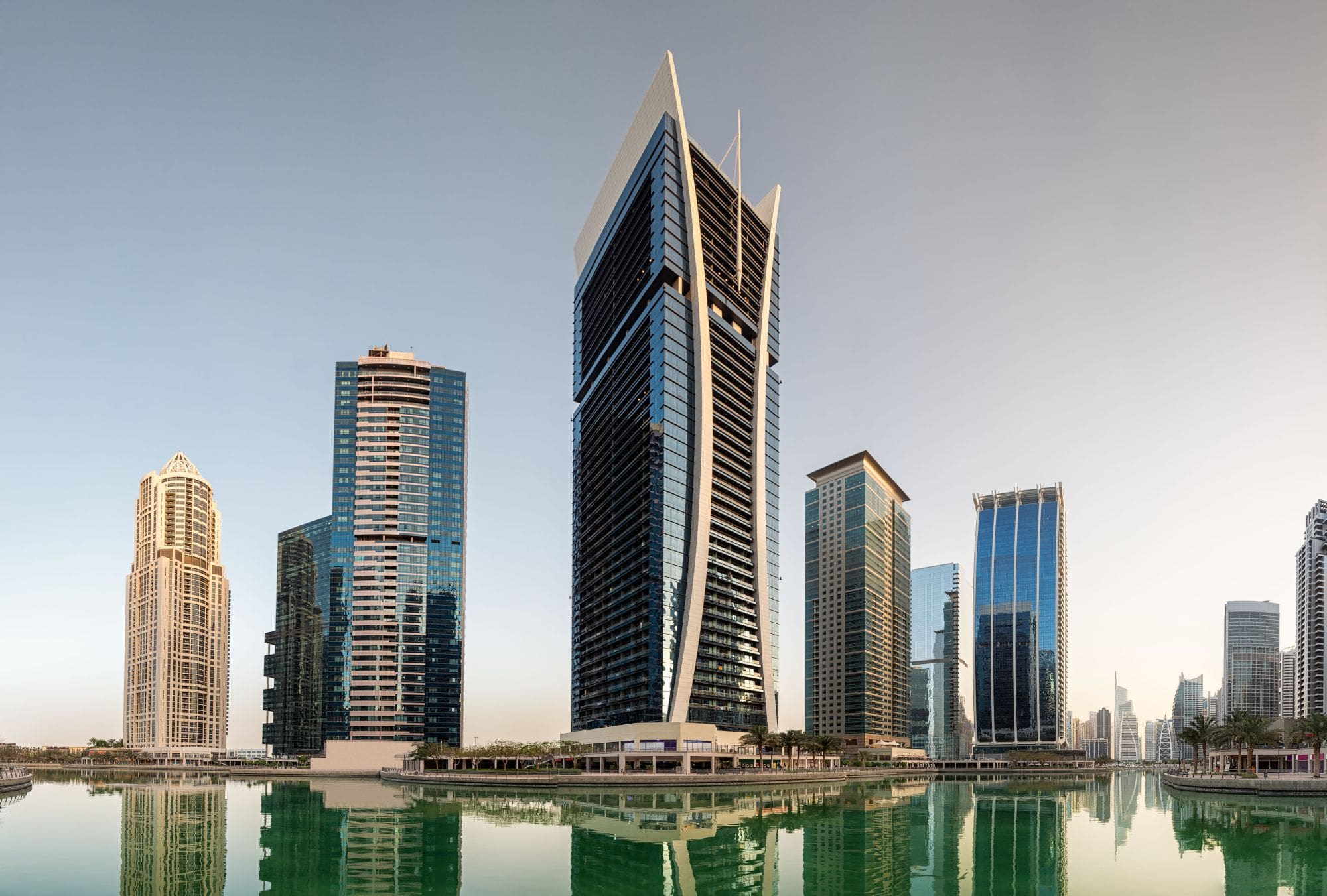 Structural Repair & Epoxy Injection
Structural crack injection and concrete repair across podium and parking levels of a JLT residential tower.
Provis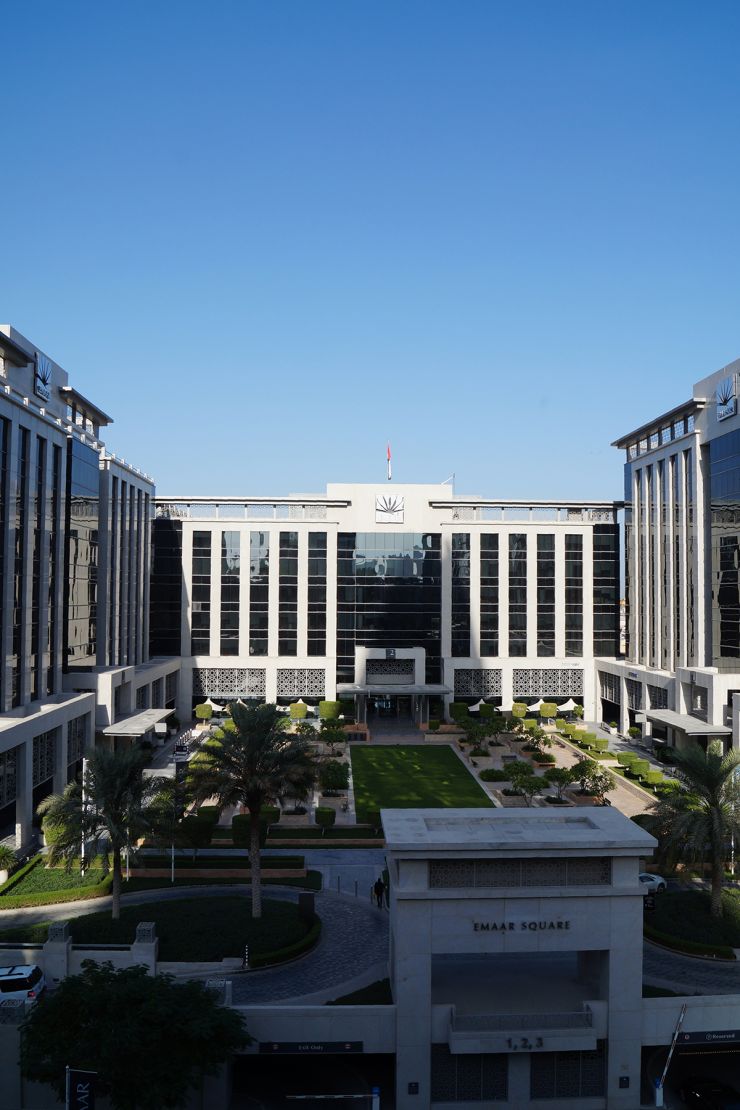 Canopy & Concrete Substrate Works
Concrete substrate preparation and canopy waterproofing on a high-profile downtown commercial podium.
TransguardHill Technical Services delivers a complete spectrum of concrete and structural rehabilitation works — from epoxy and polyurethane crack injection to large-scale spall repair, FRP carbon fibre reinforcement, concrete jacketing and section enlargement, cathodic protection installation, anti-carbonation surface treatments, and reinforcement supplementation. We work alongside licensed structural engineers to ensure every intervention is engineered to specification and complies with UAE building codes. Our scope covers parking decks, facades, podium slabs, basements, retaining walls, marine and coastal structures.
Our assessment process combines visual inspection with non-destructive testing techniques such as half-cell potential mapping for corrosion activity, cover meter scanning for reinforcement location, hammer/sounding surveys for delamination, and core testing for compressive strength and chloride/carbonation depth. The findings inform a repair specification that targets the actual deterioration mechanism — whether it is chloride-induced corrosion, carbonation, alkali-silica reaction, or mechanical damage. A correct diagnosis is the most important factor in a durable repair.
FRP (Fibre Reinforced Polymer) systems are bonded to the surface of structural members to add tensile or shear capacity without changing element dimensions — ideal where headroom, weight, or aesthetic constraints rule out adding concrete. Concrete jacketing increases section size and works well for columns and beams that need significantly higher load capacity, ductility, or seismic upgrade. Cost, programme, and structural demand all factor in; our team works with the structural engineer to recommend the system that delivers performance within the project's constraints.
Cathodic protection (CP) electrically halts the corrosion of reinforcing steel in concrete — typically required for structures with chloride-contaminated concrete where conventional patch repair alone would lead to ongoing corrosion at the patch boundaries (the “incipient anode” or “halo” effect). We install both galvanic systems (sacrificial zinc anodes) for moderate-risk structures, and impressed current cathodic protection (ICCP) for severe cases such as marine structures and aged parking decks. CP extends service life by decades and is often the only economically viable repair for severely chloride-contaminated structures.
Programme depends entirely on scope. A targeted crack injection or localised patch repair on a small structure can be completed in days. A full parking deck rehabilitation involving spall repair, anti-carbonation coating, and traffic membrane installation typically takes 6 to 16 weeks depending on area. Major facade strengthening with FRP across a high-rise tower can run several months and requires phased access via swing stages or scaffolding. We provide a detailed programme during the tender stage and coordinate with property management to minimise disruption to occupants.